


Explore
Tap to expand
Nature
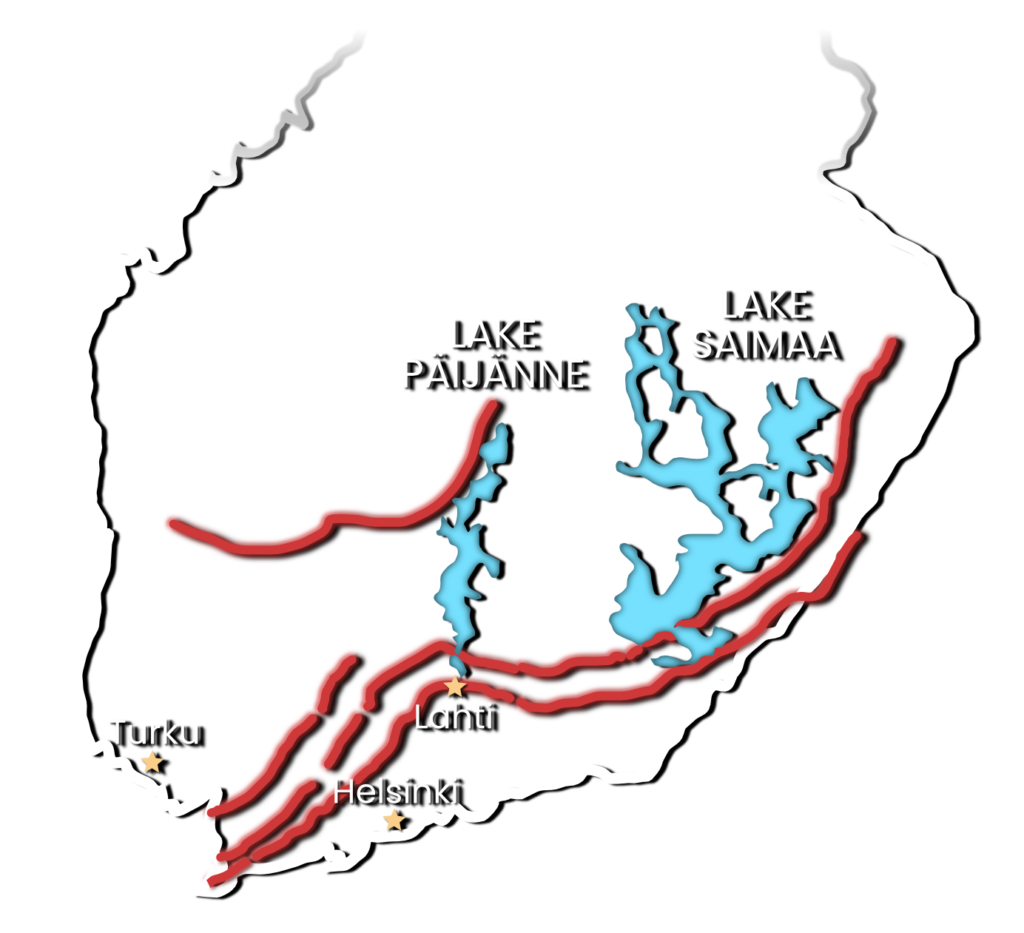
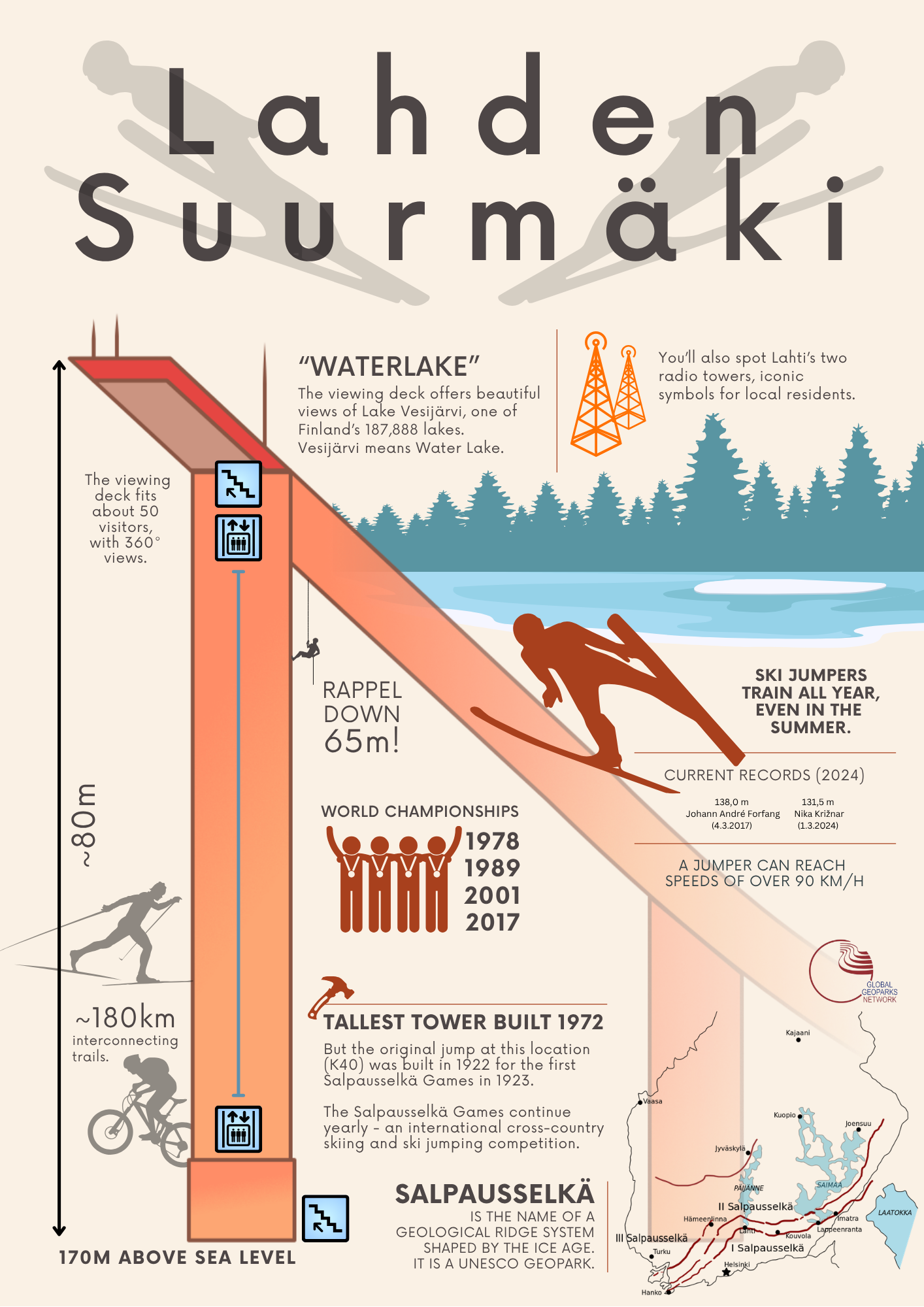
The Salpausselkä ridge formed at the end of the last Ice Age around 12,000 years ago. Glaciers shaped the steep ridges, lakes and kettle holes that define the landscape of the region today. The name “salpaus” (blockage) describes how, when viewed on a map, the formation appears to block the Finnish Lakeland to the north.
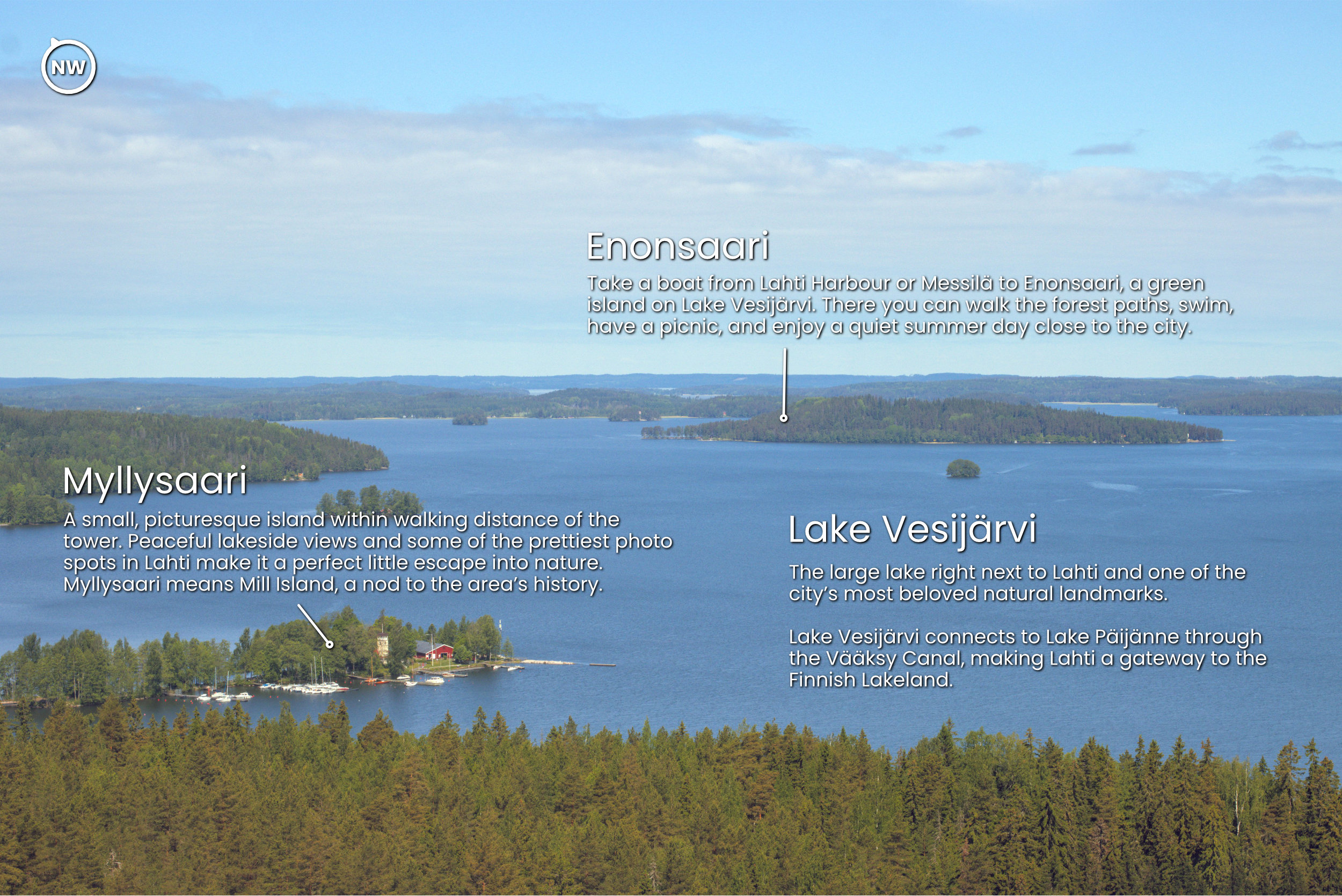
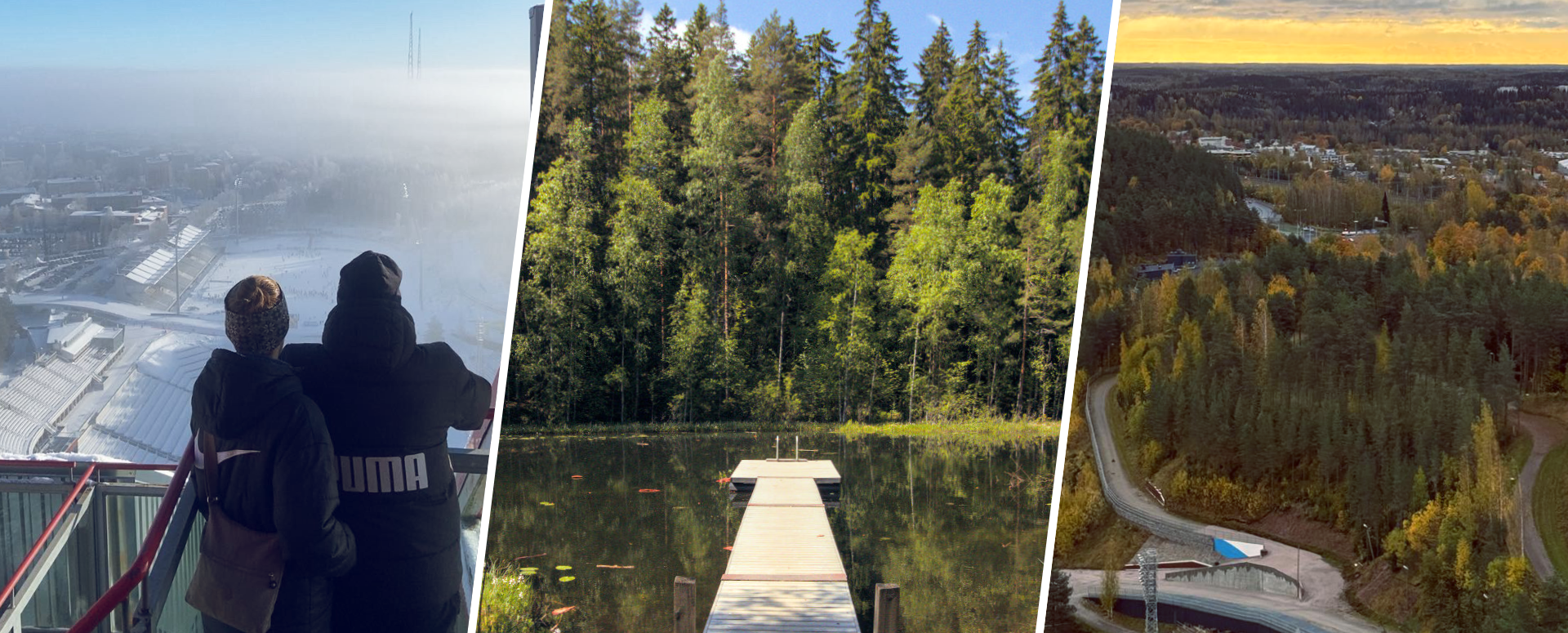
From the tower, notice the landscape rise and fall around Lake Vesijärvi. Natural slopes have made Lahti an ideal place for winter sports, helping grow the city into one of Finland’s top sporting centers.
Gifts of the FOREST
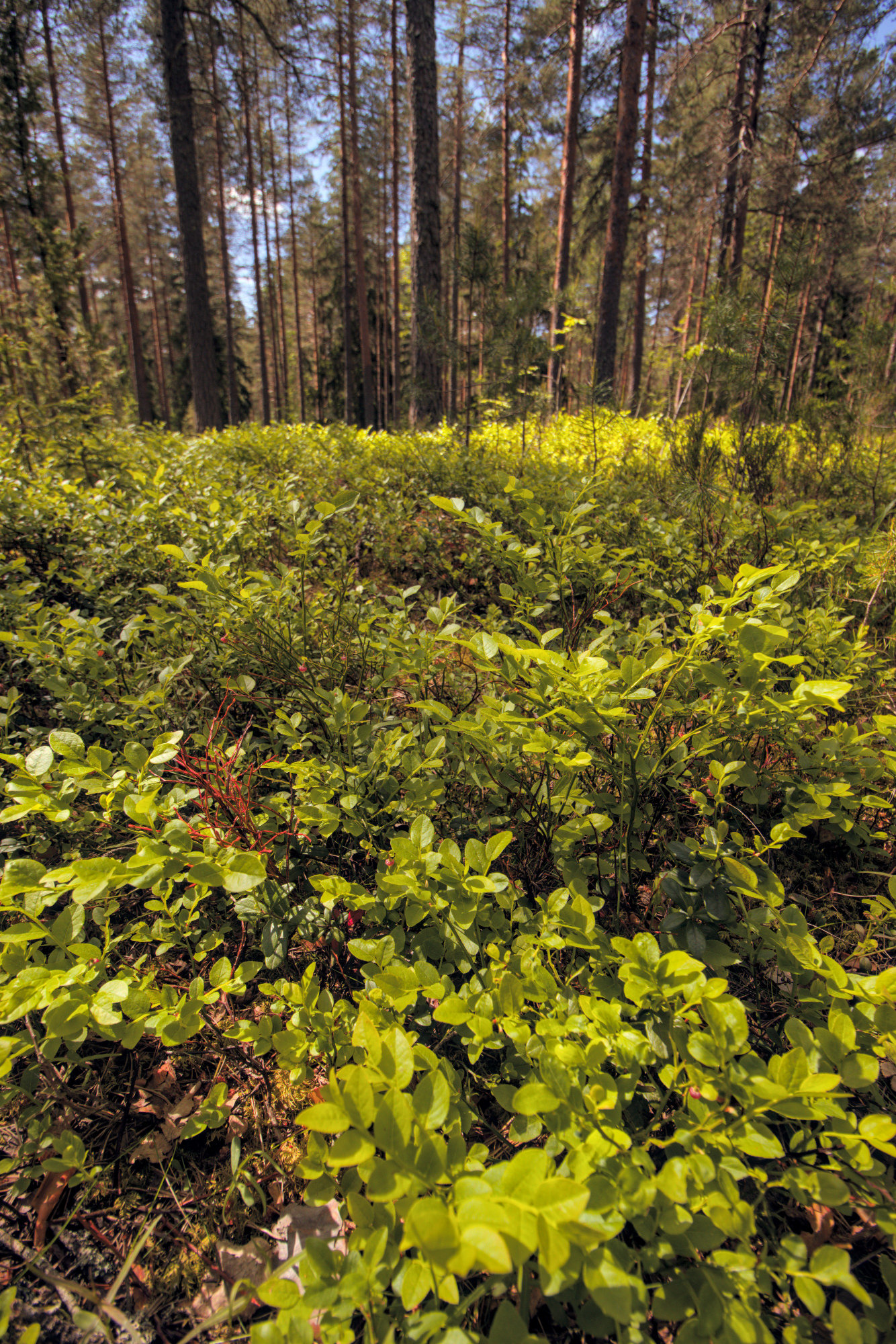
Pine, spruce, and birch grow abundantly in Finnish woodland. Bilberry and lingonberry cover the forest floor. In the late summer, ripe berries can be picked along the trails.
Golden chanterelles and prized porcini mushrooms (herkkutatti) emerge each autumn.
Forest Friends
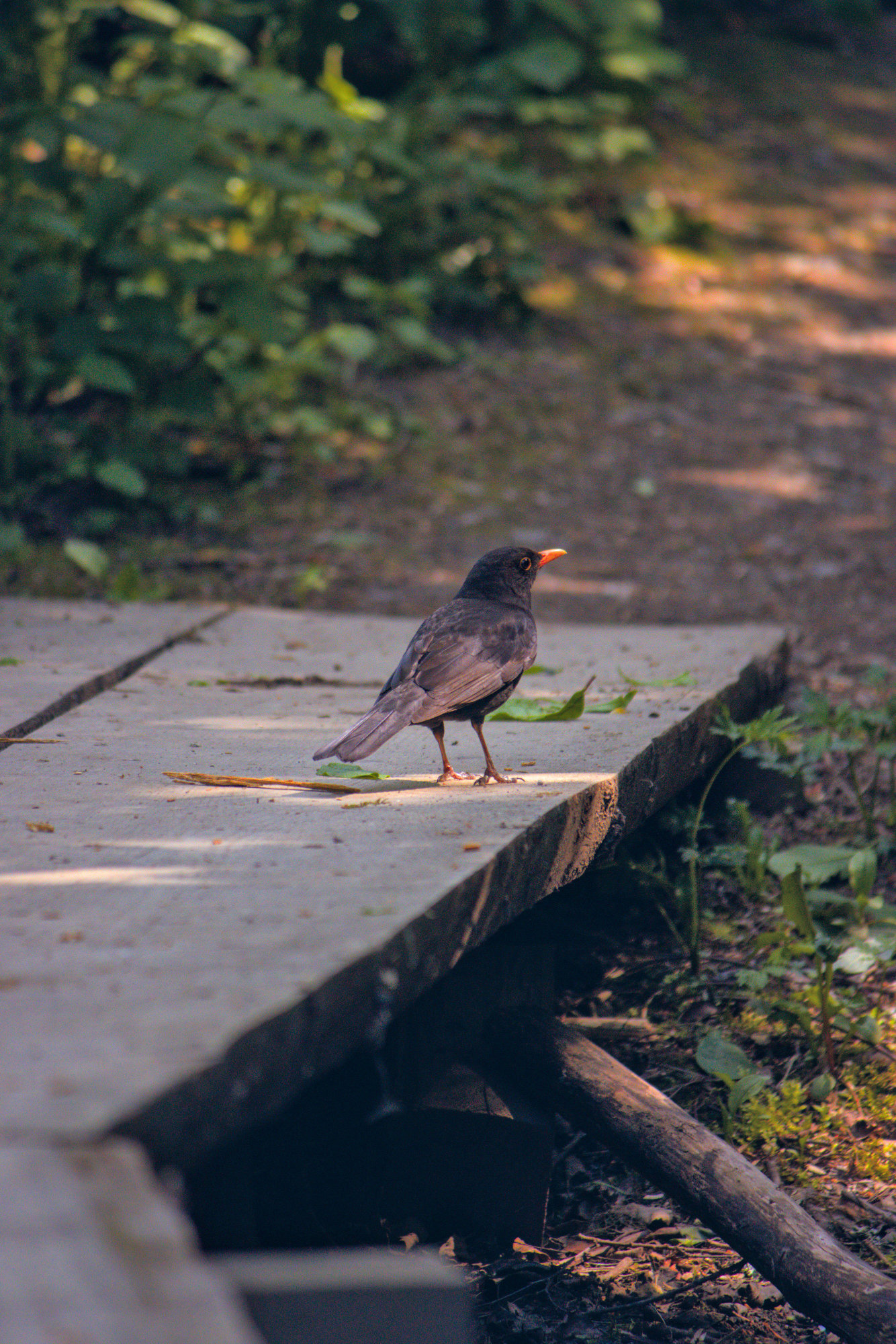
The forests and lakes around Lahti support a wide range of wildlife. Near the tower, visitors may spot blackbirds, hares, squirrels, roe or white-tailed deer. Larger animals such as moose live deeper in the surrounding forests.
Seasonal Changes
In winter, snow blankets the ridge, the lake freezes into a silent expanse, and the forests and hills become a white world of ski tracks. As winter melts into spring, nature comes alive with pine scent, birdsong, and berries. Long summer days reveal the ridge in full view, swans on the lakes and wildflowers in bloom. Autumn transforms the area again with shades of gold, red, and orange before the first snow arrives.
History & Trivia
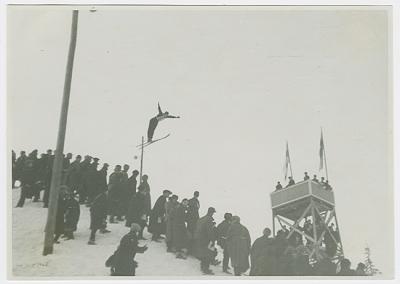
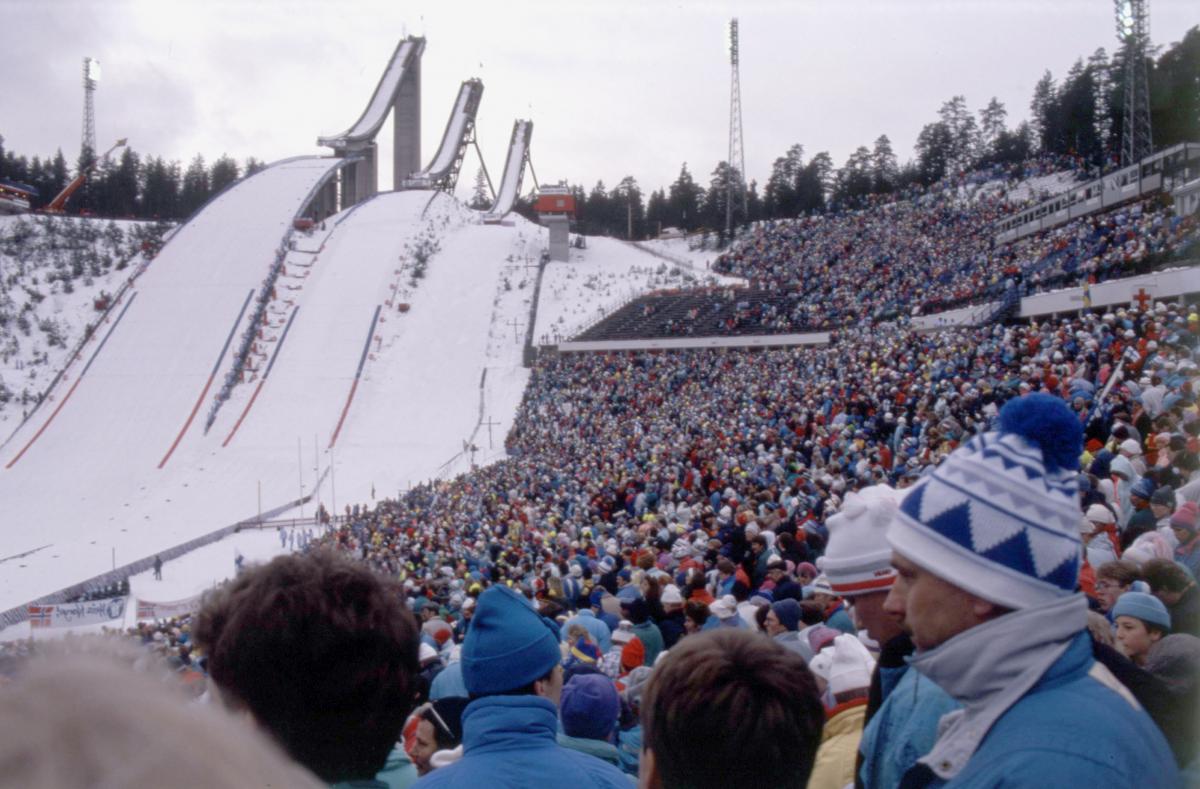
The ski jumping hills of Lahti have been part of the city’s identity for generations. Over the years, the towers and slopes have changed alongside the sport itself, growing from early wooden structures into the modern hill complex standing here today.
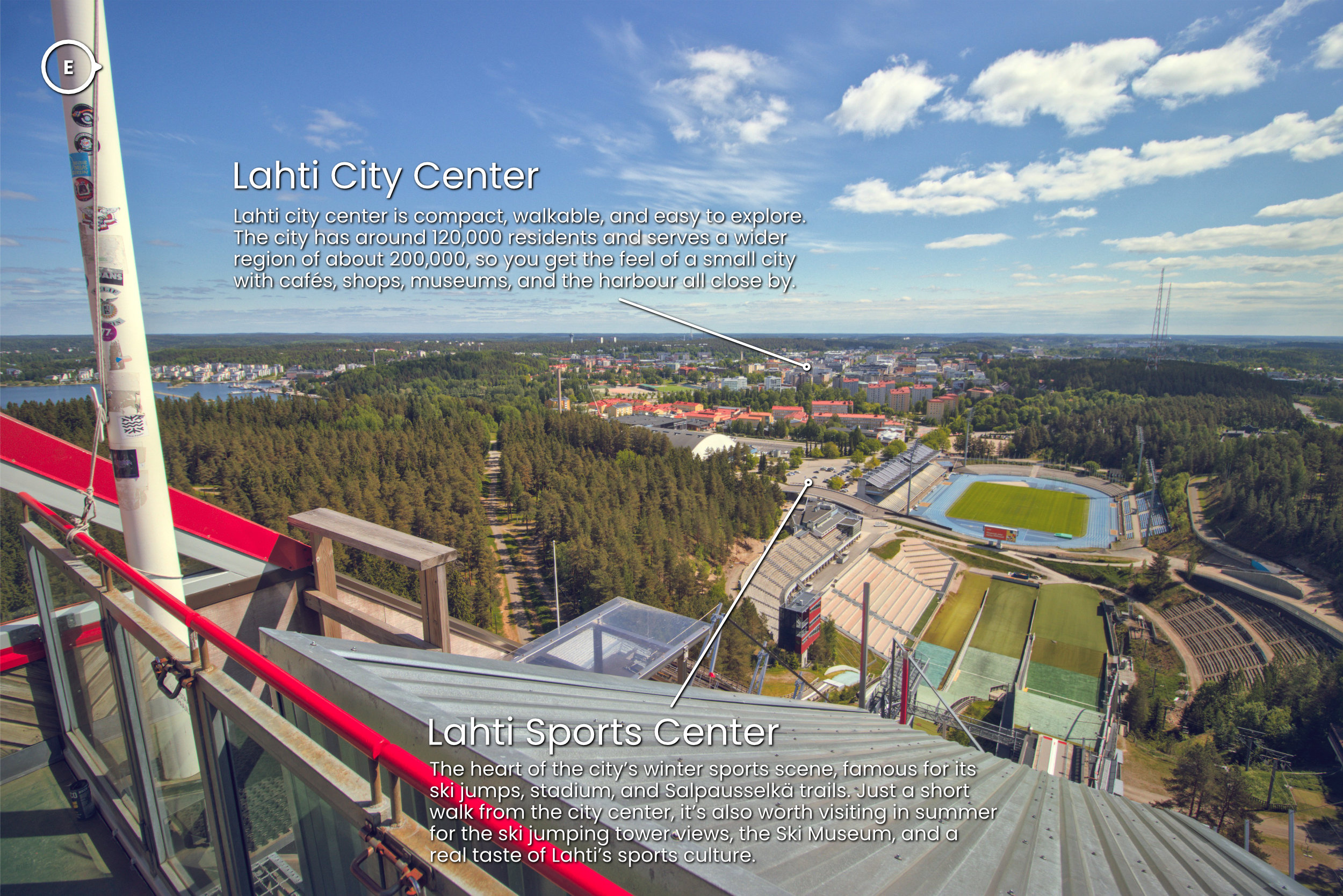
The location was shaped not only by sport, but also by the landscape. The steep slopes of the Salpausselkä ridge created ideal terrain for skiing and ski jumping, helping the area become one of Finland’s most important winter sports centers.
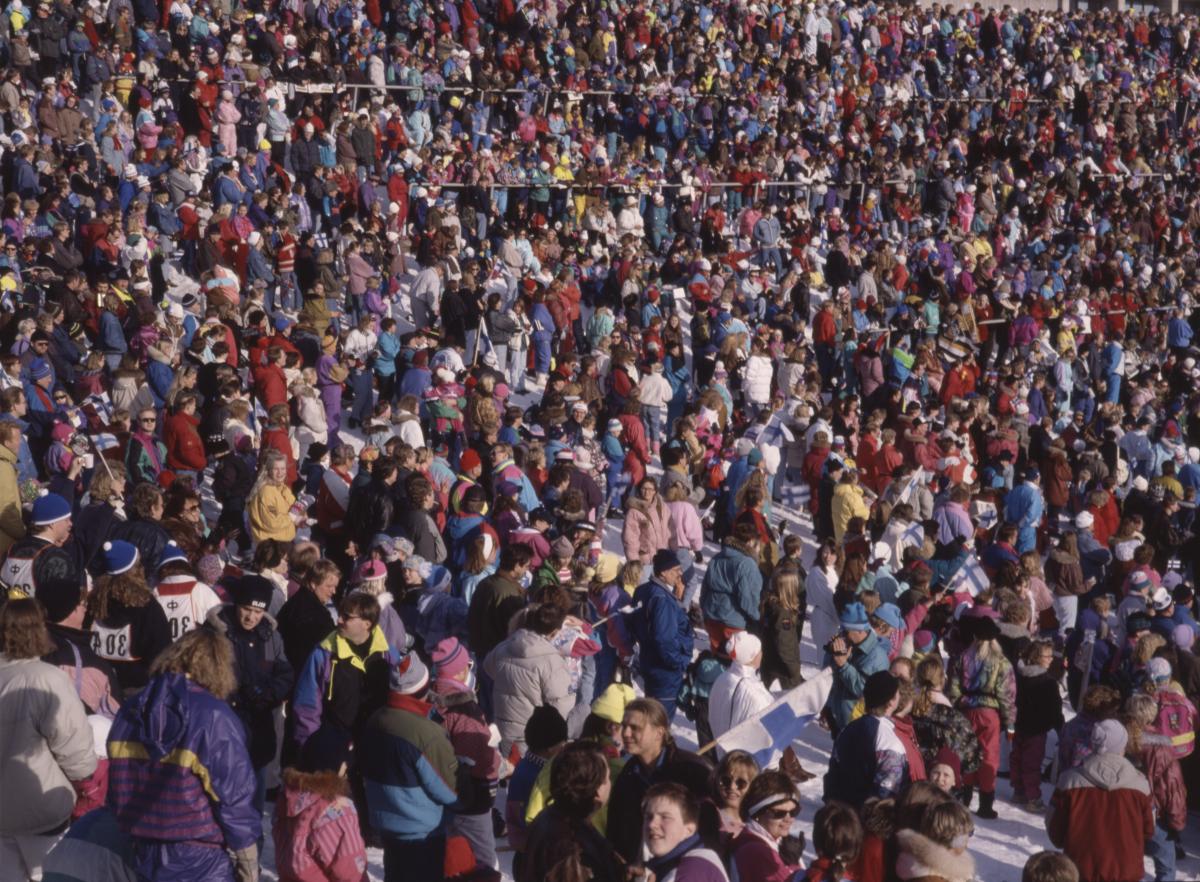
Today, the tower serves both athletes and visitors. During competitions, the hills come alive with thousands of spectators. On quieter days, the tower offers a chance to experience the landscape from the same viewpoint used by ski jumpers before a jump.
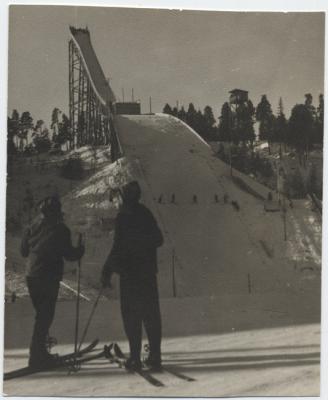
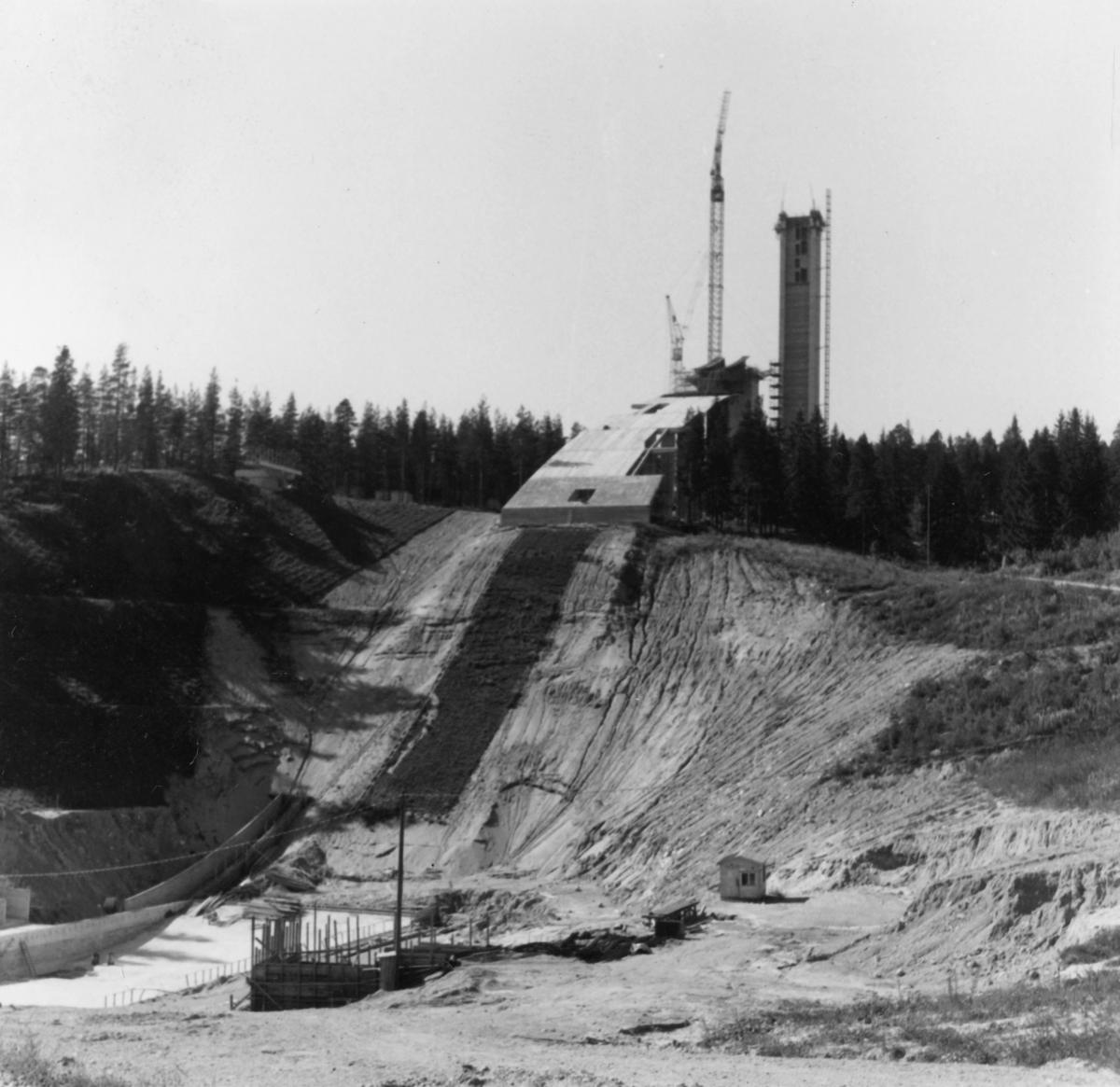
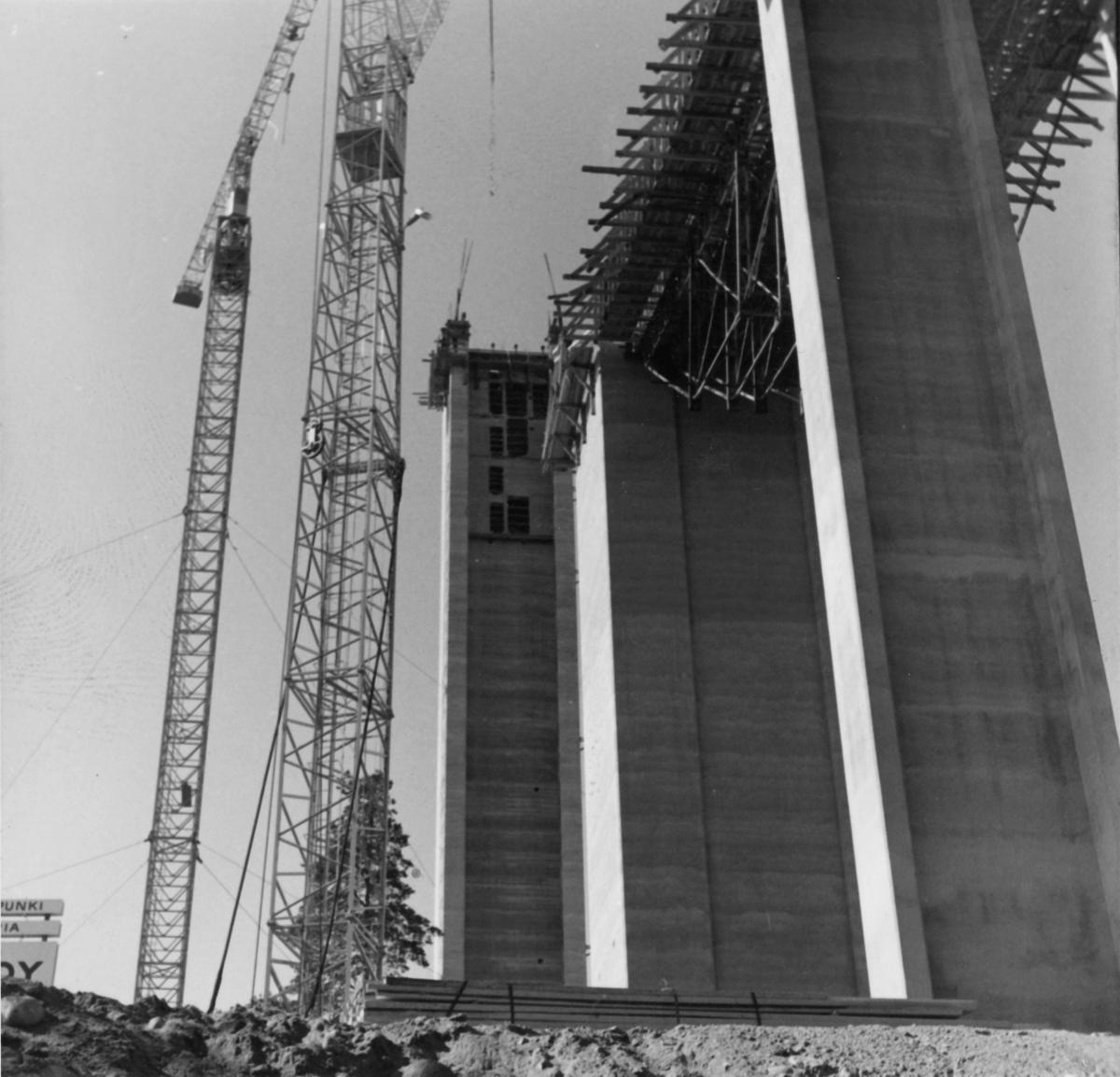
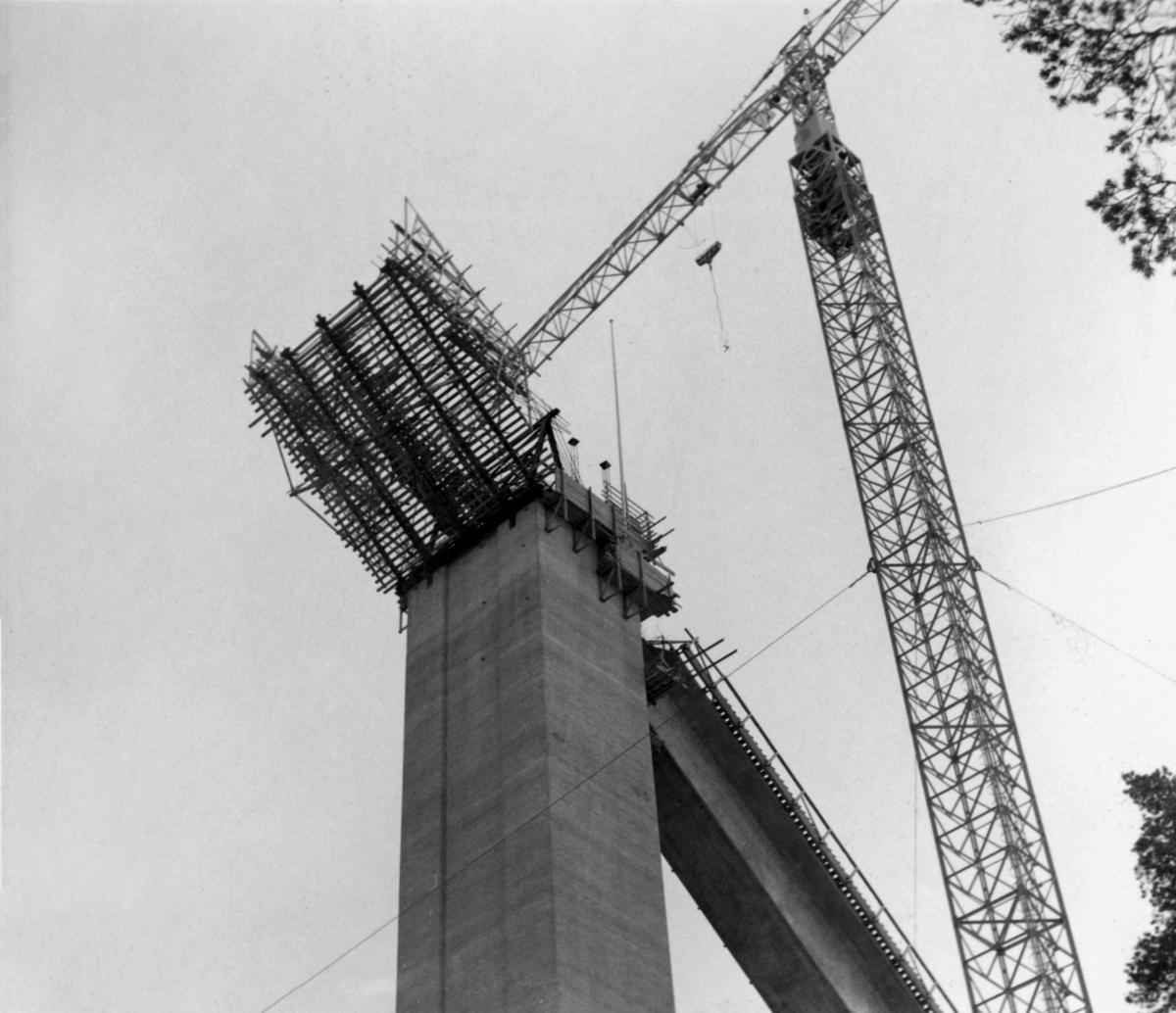
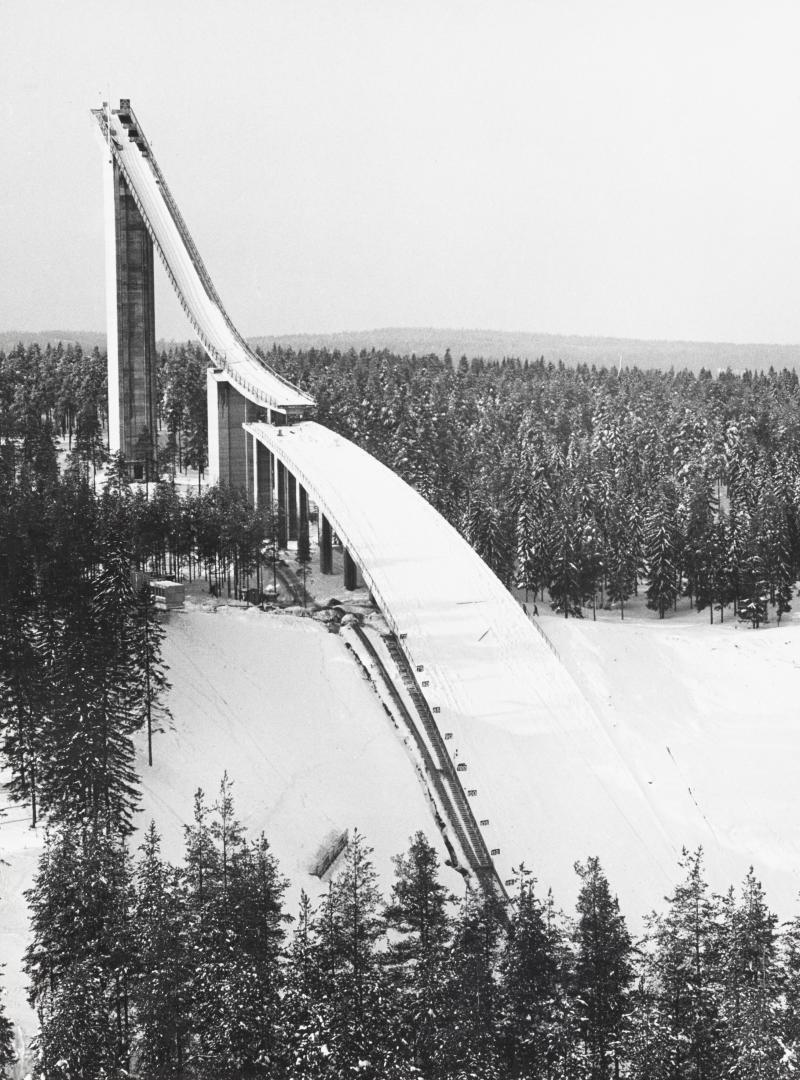
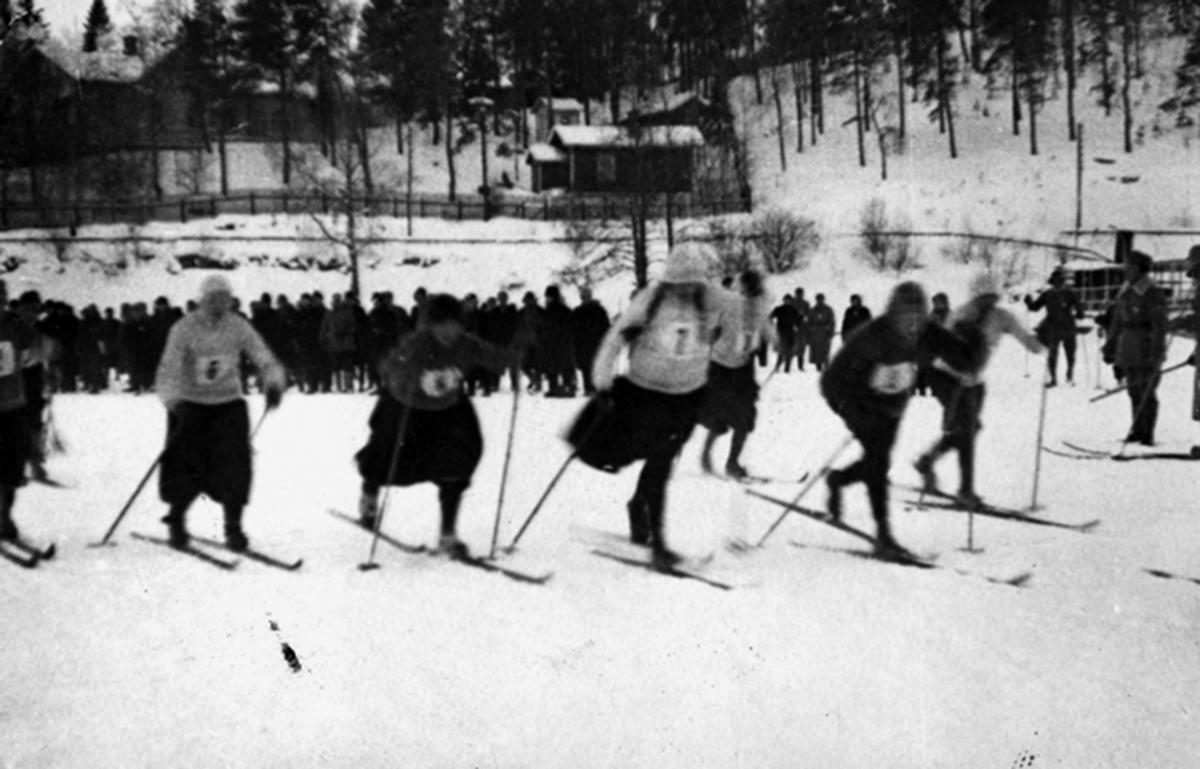
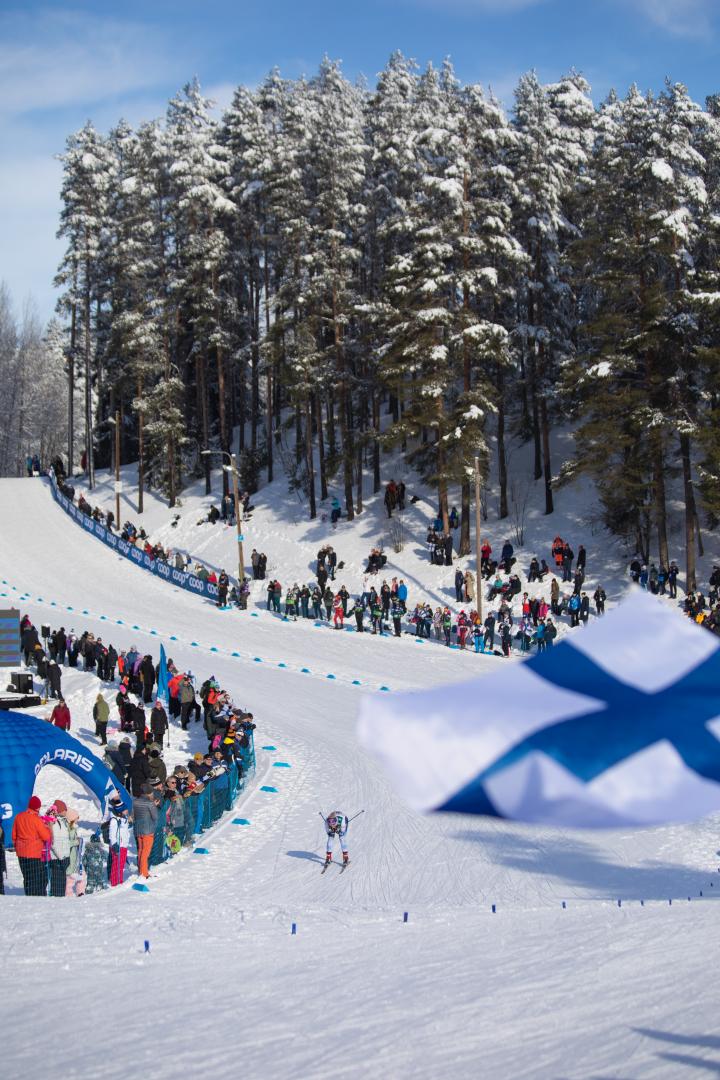
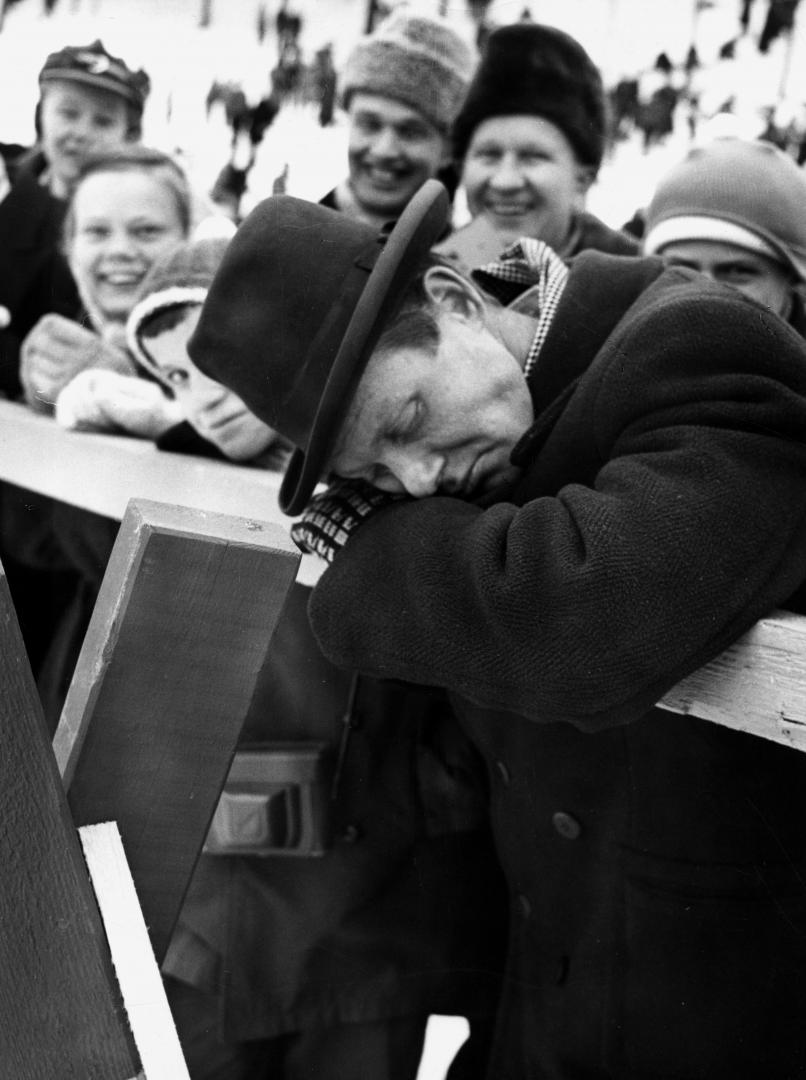
Winter sports have shaped life in Lahti for over a century. The snowy winters, natural hills and strong outdoor culture helped skiing become part of the city’s identity long before international competitions arrived here.
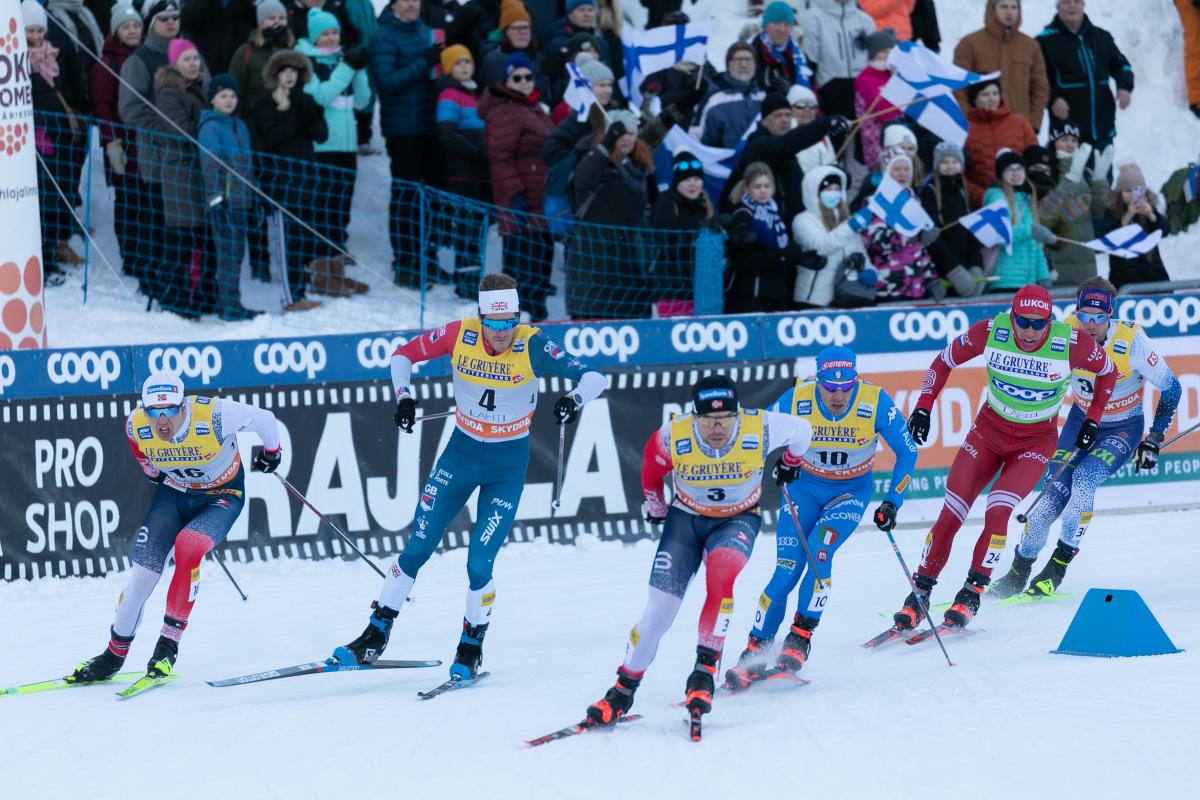
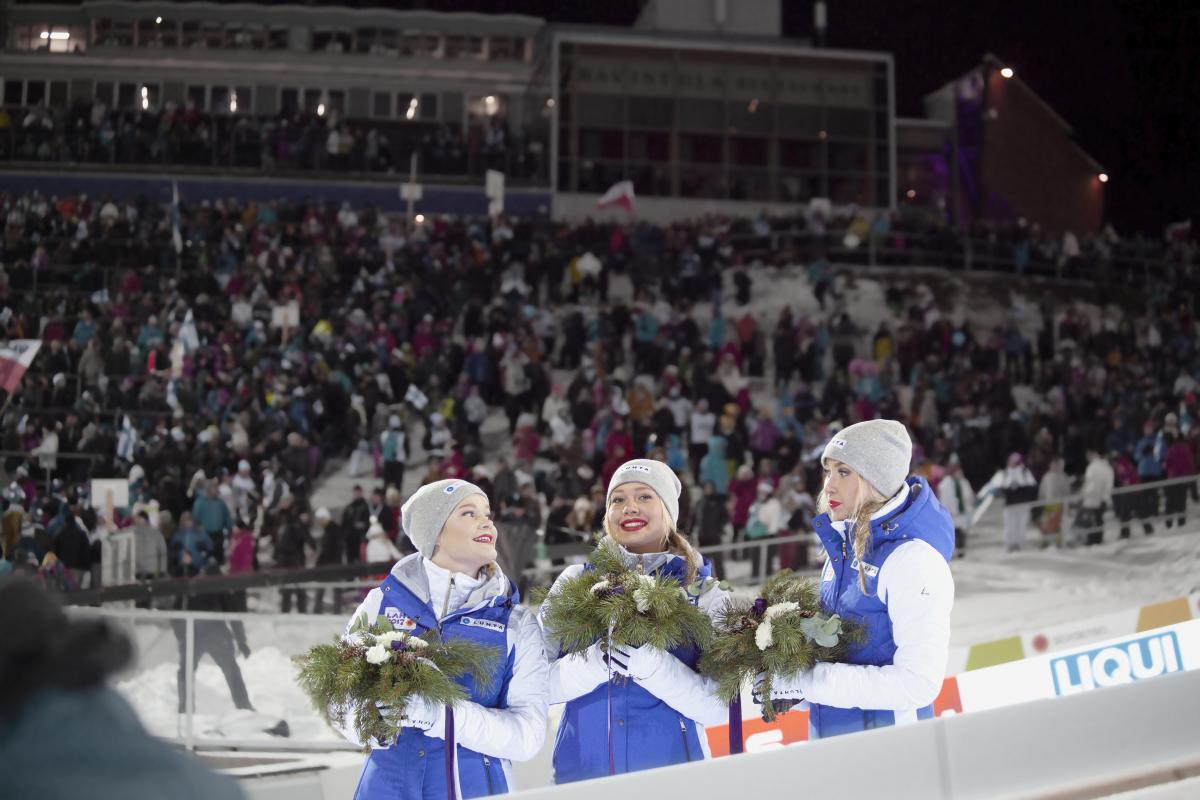
Annual Lahti Ski Games have brought athletes and spectators to Lahti from around the world since 1923. Lahti has hosted the FIS Nordic World Ski Championships seven times (more than any other city!), with the championships to return again in 2029.
Today, winter sports remain part of everyday life in Lahti. The trails, hills, and stadiums around the city continue to be used by professional athletes, local clubs, and outdoor enthusiasts throughout the year.
Seppo Juhani Niemelä, Lahden Museot.